Locations
Storage Help
Storage Types
About
When it comes to selecting a self-storage facility in Hawaii, one of the most important decisions you’ll need to make is choosing between climate-controlled (also known as temperature-controlled) and standard storage units. This decision can significantly impact the safety and condition of your belongings. Our sister location, Power Self Storage, in Hawaii understands the importance of making an informed choice, which is why we’re here to provide you with a valuable list of insights about climate-controlled and non-climate controlled storage.
When considering storage units, cost is often a crucial factor. Standard storage units generally offer more affordable pricing compared to climate-controlled units. This cost advantage is particularly appealing for individuals on a tight budget or those storing items that are not sensitive to temperature changes.
Knowing how to optimize your move will help you prevent overspending and other common mistakes. Opting for a standard unit allows you to save money while still benefiting from the convenience and security provided by a reputable self-storage facility like Power Self Storage.
Understanding the differences between climate-controlled and non-climate-controlled storage units is essential in making the right choice for your belongings.
Climate-controlled storage units are equipped with extra temperature regulation via HVAC systems. These units are ideal for storing items that are sensitive to temperature fluctuations, including electronics, artwork, antiques, photographs, musical instruments, and important documents. With this extra regulation, climate-controlled units maintain a stable environment, ensuring optimal preservation and minimizing the risk of damage.
Non-climate-controlled storage units, on the other hand, do not have active temperature regulation. The temperature inside these units can fluctuate with the external environment, and while non-climate-controlled units may not be suitable for storing temperature-sensitive items in a tumultuous local climate, they still offer secure and convenient storage solutions for a wide range of belongings.
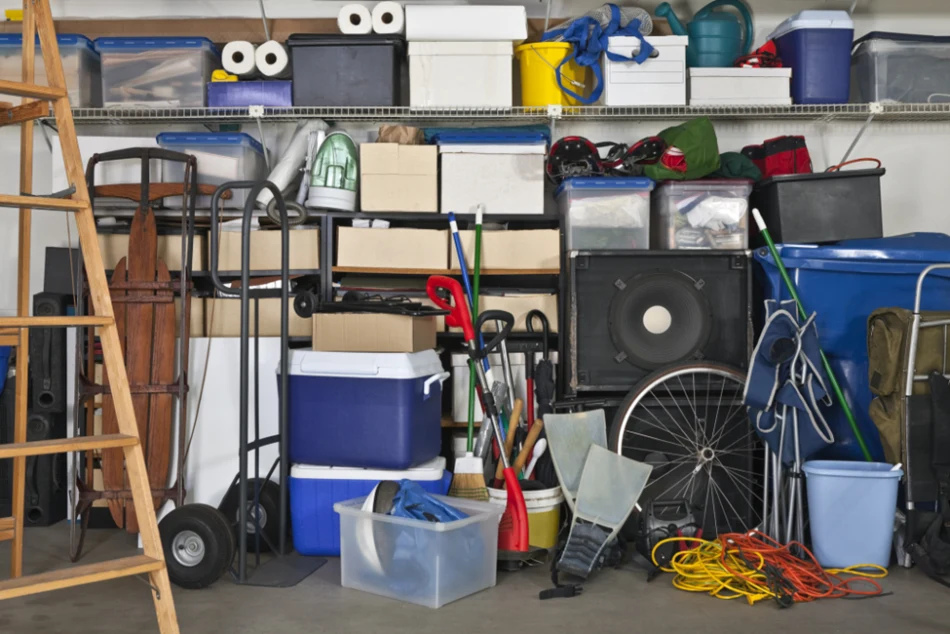
Climate controlled storage may be the best solution when it comes to protecting in areas with high humidity. Climate-controlled units in Hawaii can be essential if you’re looking for storage to house your belongings from the elements. Advantages of climate-controlled storage units, like those in Hawaii, include:
The temperatures inside non climate-controlled storage units can vary depending on various factors. External temperature, insulation of the unit, and exposure to direct sunlight all play a role in determining the internal temperature. During hot weather conditions, the temperature inside a non climate-controlled unit can rise significantly, potentially exceeding the external temperature. If you do happen to store temperature-sensitive items in a standard storage unit during the height of summer, you’ll want to keep an eye on temperatures and be aware that your storage could retain extra heat during the day.
Climate control isn’t the only way to protect your belongings from the elements. If you choose a non-climate-controlled storage unit, there are several steps you can take to shield your items from temperature fluctuations:
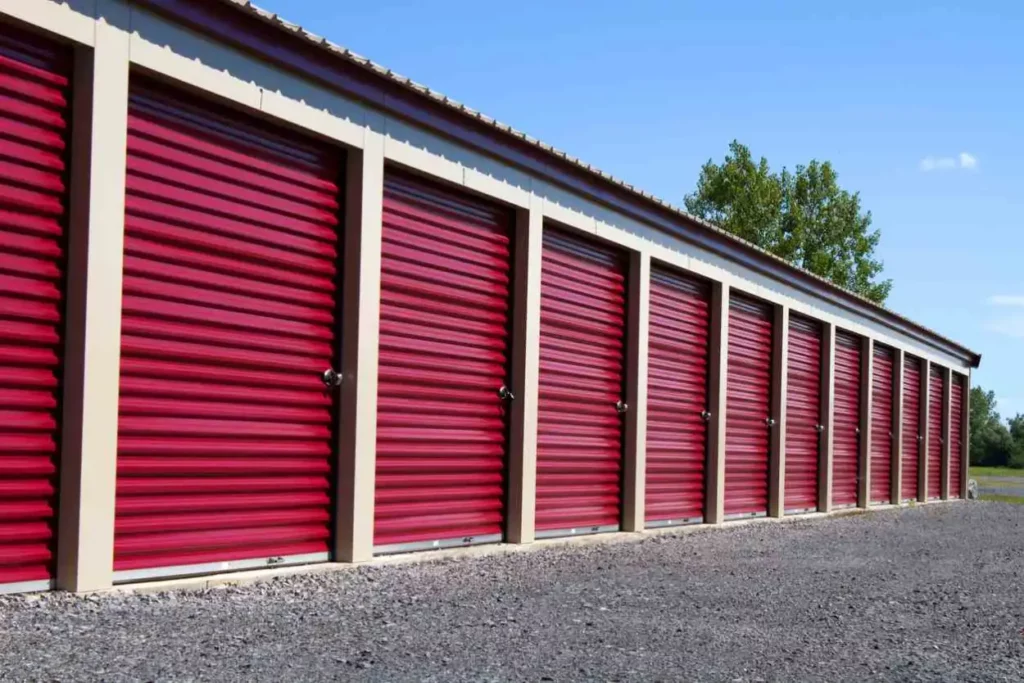
Choosing between climate-controlled and standard storage units in Hawaii requires careful consideration of your budget, the nature of your belongings, and the local climate. Power Self Storage understands the importance of providing flexible options to suit your needs, and offers standard self storage throughout the state, as well as climate-controlled storage at select locations.
When you need self storage for yourself or your Hawaii business, just come to Power Self Storage! We’re committed to providing the highest quality storage experience available. To get a storage unit rental started, just find a storage facility near your Hawaii home or business with Power Self Storage today!